AI Self-Checkout System Design for The Nest
Led system selection, checkout flow design, and implementation planning for a new high-volume restaurant concept at a mountain resort. By evaluating guest flow patterns, throughput data, and staffing models, I determined that Mashgin’s AI self-checkout system was the best fit for the concept and operational constraints.
Project Overview
High volume, limited space - rethinking the checkout model
A high-volume restaurant concept at a mountain resort needed a checkout system that could handle large guest volumes within a limited physical footprint.
As the systems lead, I evaluated checkout technologies and designed a guest flow that prioritized speed, throughput, and operational efficiency.
Early analysis showed that a traditional POS setup would create bottlenecks and limit throughput, making it difficult to meet demand within the available space.
Why the problem mattered
Traditional checkout would not fit the concept
Space constraints
The layout limited the number of traditional checkout stations without disrupting guest flow.
Volume pressure
Peak service required significantly higher checkout capacity than standard setups could support.
Labor efficiency
The solution needed to maintain throughput while adhering to labor guidelines.
How I evaluated the options
Throughput and guest flow shaped the decision
Analyzed transaction volume, peak rush windows, and service patterns from two other on-mountain restaurants to estimate what checkout capacity The Nest would need. I also evaluated how different systems would affect staffing needs and guest flow.
Why Mashgin was the right fit
Traditional checkout would not support the space or volume
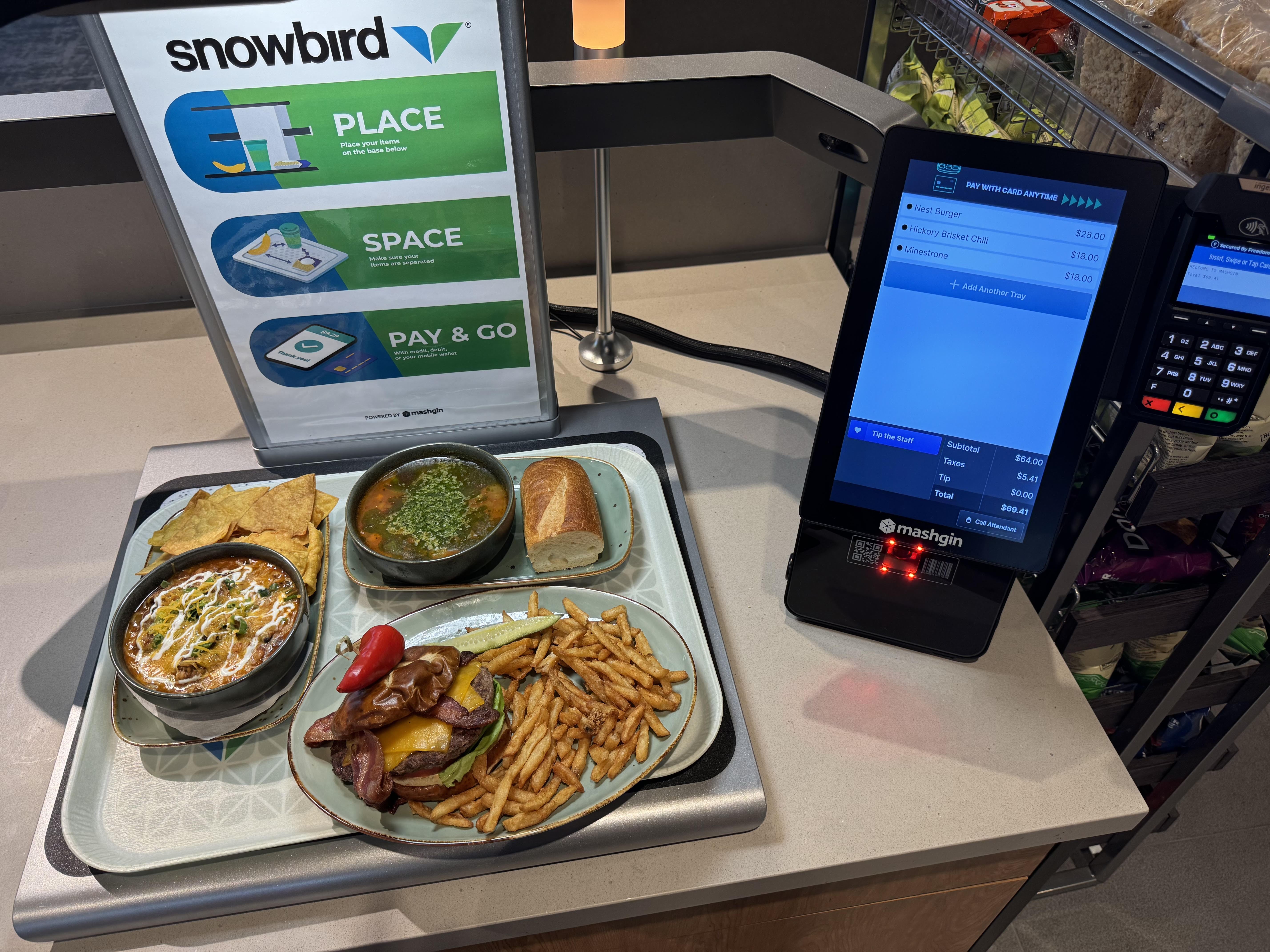
Early planning focused on whether a standard Square-based checkout setup could support The Nest. After reviewing guest flow, physical space, and transaction data from comparable on-mountain outlets, it became clear that a traditional staffed checkout model would create bottlenecks and require more labor than the concept allowed.
Pilot Deployment Strategy
More than a one-location install
The restaurant served as a pilot environment for evaluating AI self-checkout in a high-volume hospitality setting. The project was designed not only to support the new concept but also to generate operational insights for future implementations.
The pilot allowed the team to collect real-world performance data, observe guest adoption, and evaluate whether AI-powered checkout could support long-term operational efficiency.
Confidence before opening
Translating system needs into physical space
Placement and station layout
Physical requirements
What I owned
Operational lead for the system
As the operational lead for F&B systems, I owned the core system decisions around checkout selection, guest flow, station requirements, and operational fit.
What the project delivered
A checkout model designed for the concept
The final system gave The Nest a checkout experience that better matched its space, projected volume, and labor goals than a traditional staffed POS model would have.
Improved guest flow
Reduced labor needs
Unique on-mountain checkout experience
Built a model for future rollout
What this project reinforced
Technology decisions in hospitality are rarely just software decisions. They are space, labor, flow, and guest-experience decisions. This project showed how data analysis, operational design, and vendor evaluation can come together to shape a better system.
The final system aligned checkout with the restaurant’s space, volume, and labor constraints, resulting in a model that performed under real operating conditions.